Advertise

"Please stop Crony capitalism-nization in Myanmar Now!"
 
Showing posts with label Arakan. Show all posts
Monday, June 27, 2016

Conservation efforts made over 100 Mrauk U stupas

0 comments


Conservation efforts are currently being made over a hundred stupas within the Mrauk U Ancient Cultural Zone in Rakhine State, according to the Department of Archaeology and Museums for Mrauk U.

The conservation efforts began in January this year and are on-going.

“The stupas were all completely covered in vines and vegetation. The clearing of flora is being done out of respect. The grasses are difficult to maintain; once you’ve cleared one side, they’ve grown tall on the other.”
said U Nyein Lwin, director of the Mrauk U Department of Archaeology.

The Rakhine State government has provided Ks124m to cover conservation expenses, of which K60,000 (US$50) a day is spent on employing 20 workers to handle maintenance of the stupas, over 80 stupas have already been cleared. “The meaning of the initiative is to allow for a good view of the pagodas. Efforts have also seen that entrances into some of the overgrowth of grass on the pagodas has been cleared.” said U Than Myint, vice chair of the Mrauk U Ancient Cultural Heritage Conservation Organization.

Conservation efforts are also being conducted on the Alannipuya, Letwelpisidaw and Kyinngantat pagodas, Shinmyawah statue - together with other stupas within the Mrauk U Ancient Cultural Zone - as part of the new government’s ‘100-day plan.’

Myitmakha News Agency
Read more...
Sunday, May 17, 2015

Border measurement by Burma-Bangladesh joint team

0 comments
Yangon, May 12:
Border-fence
A joint survey team representing Burma (Myanmar) and Bangladesh has started border measurement surveys in various boundary points. A top Bangladesh government survey officer named Brigadier General Mohammad Abul Khair led a four member survey team to arrive in Myanmar for the survey in association with Myanmar officials.
“They conducted the measurement survey on Burma border points for four days and returned back to Bangladesh on May 7,” said an official representing the Myanmar side.
It also added that the Bangladeshi team accompanied a Myanmar survey team for the measurement in Bangladesh side.
The eleven member Myanmarese survey team is led by border land survey director Major U Tun Oo, which has arrived in Cox’s Bazaar of south Bangladesh on the same day. The measurement survey program lasted till May 11 last.
Burma and Bangladesh often engage in border conflicts particularly over Naf river as it grows new islands time to time. Moreover the changing course of the river also causes confusion about the border in various occasions.  It resulted in the arrest of Bangladesh fishermen by Myanmar authorities in many occasions accusing them as intruders to the Myanmar side.
Read more...
Wednesday, April 29, 2015

ANP Urges Military to Respect Rights of Arrested Civilians

0 comments
Photo from Arakan Army Facebook Page
With ongoing fighting between FUA and Burmese troops in Burma’s west, the Arakan National Party (ANP) has asked local Burma Army forces to respect legal restrictions on interrogations after a number of Arakan villagers were detained in the conflict.

Arakan State lawmaker and ANP member Saw Nyein, spoke to Col. Wint Thu, the tactical commander of the Burma Army’s local command and control center in Kyauktaw, to press the demand on Tuesday.

“They said the arrested suspicious persons for military reasons,” Saw Nyein told The Irrawaddy. “We said we have no concerns with their investigation if it is in line with law and we’re not intervening militarily, but we want to see their earliest possible release if they have done nothing wrong,”

Locals and civil society organizations in Arakan State said that more than 60 people have been arrested on suspicion of associating with the Arakan Army, though the ANP said it could only confirm the arrest of 11.

In a Wednesday statement from the ANP’s central executive committee, the party said that locals were concerned about the potential torture of innocent civilians detained by the military.

“Col. Wint Thu agreed to act in line with law, and said that they are just asking questions [of the locals] and it is not arrest,” said Saw Nyein.

Col. Wint Thu did not answer The Irrawaddy’s calls.

Eleven members of the Arakan Army were arrested earlier this month, and in pursuit of leads from interrogation of the detainees, the Burma Army is currently looking for a list of suspects in the areas where recent clashes have occurred, while the Arakan State police force has launched search patrols in Kyauktaw, Sittwe, Mrauk-U, Minbya and Ramee.

The government army has also imposed travel restrictions in villages around the areas where it clashed with Arakan Army troops, according to Nyo Aye, chairwoman of the Arakan Women’s Network.

The Arakan Army headquarters released a statement on Tuesday which accused the military of arresting and torturing innocent civilians, including village heads and community elders, and setting villages on fire in battle zones.

The statement also said that the fact that the government army committing such acts against innocent Arakan locals instead of finding a solution through political means provokes the anger of lower rank AA fighters and encourages undesirable consequences.

Clashes between the military and Arakan Army broke out on Mar. 29 in Kyauktaw, and in April alone the two sides have engaged at least 10 times, according to the Arakan Army. The fighting has forced an estimated 400 people in the area from their homes.

Copyright © By KYAW KHA/ THE IRRAWADDY
Read more...
Tuesday, April 28, 2015

Number of Rakhine displaced on the rise

0 comments
Reporter Lun Min Mang @ Myanmar Times
A volunteer aid convoy that took food to villagers displaced by heavy fighting in Rakhine State between government troops and fighters of the Arakan Army (AA) says the number of displaced has risen on initial estimates.
Aid supplies are unloaded from a boat in Sapa Seik village, Kyauktaw township, where more than 500 people displaced by fighting have taken refuge. Photo: SuppliedAid supplies are unloaded from a boat in Sapa Seik village, Kyauktaw township, where more than 500 people displaced by fighting have taken refuge. Photo: Supplied


The aid convoy, which was blocked by Tatmadaw troops for three days as it attempted to make its way to the conflict zone in Kyauktaw township, was later allowed to proceed, though soldiers allowed only three men to take in the food. Organisers have revised upward their initial estimate of 450 people at risk by more than 120.

Ko Zaw Win, one of the volunteers allowed to proceed, told The Myanmar Times yesterday that police officers had put the number of displaced at 574. The displaced families had been resettled in local schools, and Ko Zaw Win said the group had been told they were not allowed to leave the village of Sapa Seik.

“We donated 32 bags of rice, 50 mosquito nets, 10 packs of potatoes, salt and some other cooking ingredients. We didn’t receive many donations and we couldn’t take much food,” he said.

The committee is now planning a return to Sapa Seik village with more food, provided the authorities allow more volunteers to enter the conflict zone next time.

“We are collecting food and other necessary supplies in order to return within the week. But it also depends how much we can collect, and how quickly we can collect it,” said Daw Hla May, chair of Kyauktaw Women’s Network and a member of the committee formed to help local residents affected by the fighting.

She said civil society organisations and community-based networks from Sittwe were joining the committee in Kyauktaw to donate aid to Sapa Seik.

“The government has a responsibility to send assistance to the camps. Our committee expects the military to lift restrictions so that more volunteers are allowed in,” she said.

The Rakhine State Army, an umbrella armed group that shares the name Arakan Army, issued a statement on April 25 urging the government to follow the international military code of conduct and rules of engagement, not to attack civilians, and to allow aid convoys to reach people affected by the fighting. Government officials could not be reached for comment yesterday.

Rakhine National Party leader U Aye Maung said the government should send more supplies to the camp.

“We met with some officials from the state government about four days ago. They said they had sent supplies to the camp,” he said. “They should send more.”


ရကၡိဳင့္တပ္မေတာ္
စစ္႐ံုးခ်ဳပ္

သေဘာထားထုတ္ျပန္ေၾကျငာခ်က္
အမွတ္၊ ၄/၂၀၁၅

၁၃၇၇-ခုႏွစ္၊ ကဆုန္လဆန္း(၁၁)ရက္
(၂၀၁၅-ခုႏွစ္၊ ဧၿပီလ (၂၈)ရက္)

၂၀၁၅-ခုႏွစ္၊ မတ္လ(၂၉)ရက္ေန႔မွစ၍ ရကၡိဳင့္တပ္မေတာ္ႏွင့္ ျမန္မာ့တပ္မေတာ္တို႔ တိုက္ပြဲျဖစ္ပြားလ်က္ရိွ
ၿပီး ထိေတြ႕မႈ(၁၀)ႀကိမ္ ခန္႔ရိွခဲ့သည္။ ဤတစ္လနီးပါး တိုက္ပြဲကာလအတြင္းတြင္ ျမန္မာ့တပ္မေတာ္သည္ ရကၡိဳင္ရြာအခ်ဳိ႕အား အတင္းဝင္ေရာက္ ေမႊေႏွာက္ၿပီး ရပ္မိရပ္ဖ၊ ရပ္ရြာလူႀကီးမ်ားအပါအဝင္ အျပစ္မဲ့ရြာသူရြာသားမ်ားအား ဖမ္းဆီးႏွိပ္စက္ ထိန္းသိမ္းစစ္ေဆးျခင္း၊ ရြာသားမ်ားပိုင္ဆိုင္ေသာ ဆန္၊ ဆီ၊ ဆား အပါအဝင္ စားနပ္ရိကၡာမ်ားအား ဖ်က္ဆီးယူေဆာင္သြားျခင္း၊ လူမဆန္စြာ ႏွိပ္စက္ျပဳမူျခင္း၊ ဥပေဒနားမလည္ေသာ ရြာသူရြာသားမ်ားအား ဥပေဒျဖင့္ ၿခိမ္းေျခာက္၍ လူ႔အခြင့္အေရးမ်ားခ်ဳိးေဖာက္ျခင္း၊ စစ္ရာဇဝတ္ျပစ္မႈမ်ားက်ဴးလြန္ျခင္း၊ ရြာလံုးကၽြတ္မီး႐ိႈ႕ျခင္းမ်ားကို ေပၚေပၚထင္ထင္ ဆက္တိုက္ျပဳလုပ္လ်က္ရိွသည္။

ဤကဲ့သို႔ေသာ ျမန္မာ့တပ္မေတာ္၏လုပ္ရပ္မ်ားမွာ တိုင္းရင္းသားေဒသအသီးသီးတြင္ လုပ္ေလ့လုပ္ထ ျဖစ္႐ိုးျဖစ္စဥ္မ်ားသာျဖစ္သည္။ ထို႔ေၾကာင့္ ျမန္မာ့တပ္မေတာ္သည္ အလားတူကိစၥရပ္မ်ားအား ထပ္မံက်ဴးလြန္ႏိူင္သည္ကို ႏိူင္ငံတကာသံ႐ံုးႏွင့္ အဖြဲ႕အစည္းမ်ားအေနျဖင့္လည္း ခန္႔မွန္းသိရိွထားၿပီးျဖစ္ေသာေၾကာင့္ ထပ္မံက်ဴးလြန္ျခင္းမျပဳလုပ္ရန္ လူသားခ်င္းစာနာေထာက္ထားမႈ အကူအညီေပးရန္ တိုက္တြန္းထားသည္။
ၿမန္မာ့တပ္မေတာ္၏ ရကၡိဳင္လူမ်ဳိးအေပၚ ဤကဲ့သို႔ေသာ ဥပေဒမဲ့လုပ္ရပ္မ်ား၊ ခါးသီးစရာေကာင္းေသာ လုပ္ရပ္မ်ားကို ေန႔စဥ္ရက္ဆက္ ျပဳမူက်ဴးလြန္ေနျခင္းမွာ ရကၡိဳင့္တပ္မေတာ္ ေအာက္ေျခရဲေဘာ္မ်ား၏ ေဒါသစိတ္အားႏႈိးဆြေပးျခင္း၊ ရကၡိဳင္လူမ်ဳိးမ်ားအား ေစာ္ကားျခင္းႏွင့္တူကာ မလိုလားအပ္ေသာ ျဖစ္ရပ္မ်ားကို ျဖစ္ေပၚႏိူင္ရန္အတြက္ တြန္းအားမ်ားအျဖစ္ ျဖစ္ေပၚလ်က္ရိွေနသည္။

ရကၡိဳင္ျပည္အတြင္းရိွ ျမန္မာ့တပ္မေတာ္အေနျဖင့္ ဤကဲ့သို႔ေသာ လုပ္ရပ္မ်ားကို ထင္ထင္ရွားရွား က်ဴးလြန္ေနမႈမ်ားသည္ လူမ်ဳိးတစ္မ်ဳိးႏွင့္တစ္မ်ဳိးအၾကားတြင္ အမုန္းတရား မီးေတာက္မ်ားကို ပိုမိုေလာင္ကၽြမ္းေစႏိူင္ရန္ အားေပးလ်က္ရိွေနသည္ကို လက္ရိွအစိုးရႏွင့္တကြ ျမန္မာ့တပ္မေတာ္အား သိရိွေစလိုသည္။ ႏိူင္ငံေရးအရ ေျဖရွင္း၍ရေသာ အေျခအေနမ်ားကို ႏိူင္ငံေရးနည္းျဖင့္ ေျဖရွင္းရန္မႀကိဳးစားဘဲ လူမ်ဳိးေရးပဋိပကၡျပႆနာမ်ားျဖစ္လာႏိူင္ေအာင္ တြန္းပို႔လ်က္ရိွေနသည္။

ဤကိစၥႏွင့္ပတ္သက္၍ အထက္ပါျဖစ္စဥ္မ်ား၌ မ်က္ျမင္ကိုယ္ေတြ႔ ကိုယ္ထိလက္ေရာက္ ပါဝင္ခဲ့ၾကသည့္
 ျမန္မာ့တပ္မေတာ္တြင္ တာဝန္ထမ္းေဆာင္ေနၾကေသာ ရကၡိဳင္လူမ်ဳိးမ်ား၊ ျမန္မာႏိူင္ငံရဲတပ္ဖြဲ႕တြင္ တာဝန္ထမ္းေဆာင္ေနၾကေသာ ရကၡိဳင္လူမ်ဳိးမ်ားအေနျဖင့္ မိမိတို႔လူမ်ဳိးမ်ားအား အျခားလူမ်ဳိးတစ္မ်ဳိးမွ ယခုကဲ့သို႔ မတရားသျဖင့္ ညွဥ္းပန္းႏွိပ္စက္၊ ႐ိုက္ႏွက္ျခင္းမ်ားအား က်ဴးလြန္ေနသည္ကို လက္ပိုက္ၾကည့္ေနမည့္အစား ကာကြယ္ေစာင့္ေရွာက္ရန္ တိုက္တြန္းလိုက္သည္။ ထို႔အျပင္ အျခားေသာ ရကၡိဳင္လက္နက္ကိုင္တပ္ဖြဲ႕ငယ္မ်ားအား မိမိတို႔ရကၡိဳင့္တပ္မေတာ္ႏွင့္အတူ အမ်ဳိးသားေရးအတြက္ လုပ္သင့္လုပ္ထိုက္သည္မ်ား၊ ႏိူင္ရာတာဝန္မ်ားကို လုပ္ကိုင္ႏိူင္ရန္အတြက္ အမ်ဳိးသားေရး ဘံုအက်ဳိးစီးပြားမ်ားကို ဦးထိပ္ထား၍ ရကၡိဳင့္တပ္မေတာ္ႏွင့္ လာေရာက္ပူးေပါင္းေဆာင္ရြက္ႏိူင္ရန္ ဖိတ္မႏၲကျပဳလိုက္ပါသည္။

ရကၡိဳင့္တပ္မေတာ္သည္ ႏိူင္ငံေရးကိုအေျခခံ၍ မိမိလူမ်ဳိးမ်ား ရသင့္ရထိုက္သည္မ်ားကို ရရိွႏိူင္ရန္အတြက္
ရကၡိဳင္လူထုႏွင့္အတူ လက္တြဲတိုက္ပြဲဝင္လ်က္ရိွသည္။ ထို႔ေၾကာင့္ ရကၡိဳင္လူထုမ်ားအေနျဖင့္လည္း ယခုရကၡိဳင္ျပည္အတြင္းတြင္ ျဖစ္ေပၚလ်က္ရိွေသာ တိုက္ပြဲမ်ားသည္ ရကၡိဳင့္တပ္မေတာ္၏ တိုက္ပြဲမ်ားသာျဖစ္သည္ဟု မယူဆေစလိုဘဲ ရကၡိဳင္မ်ဳိးႏြယ္စု၊ ရကၡိဳင္လူထုတစ္ရပ္လံုးႏွင့္ တိုက္ပြဲဝင္ေနေသာ တိုက္ပြဲမ်ားအျဖစ္ မွတ္ယူရန္ လိုအပ္သည္။

ထို႔အျပင္ ရကၡိဳင္မိဘျပည္သူလူထုမ်ားအား ရကၡိဳင့္တပ္မေတာ္ႏွင့္အတူ အမ်ဳိးသားေရးတာဝန္မ်ားအား တစ္ႏိူင္တစ္ပိုင္ တာဝန္ထမ္းေဆာင္ျခင္းမ်ဳိးမဟုတ္ဘဲ အင္တိုက္အားတိုက္ျဖင့္ စိတ္ပါလက္ပါ ထိထိေရာက္ေရာက္ ပါဝင္ဝန္းရံေပးၾကရန္ ထပ္မံတိုက္တြန္းလိုက္ပါသည္။

စစ္႐ံုးခ်ဳပ္
ရကၡိဳင့္တပ္မေတာ္

Read more...
Thursday, April 23, 2015

Refugees From Ruined Village Say Myanmar Army Trapped Them

0 comments

Report by Daw Aye Aye Mar VOA World News

Tensions have escalated in Myanmar's western Rakhine state, where 400 people suspected of harboring rebels have had their village burned and are now trapped inside a camp by soldiers.

One of the people caught in the camp, who did not want to be named, told VOA's Burmese service by phone that access to the camp, which is inside Sabaseit village, had been restricted since Tuesday.

“They say they have restricted entry and exit [of the refugee camp]," he said. "For the time being, the problems the villagers are facing include the lack of access to food, fish paste and salt. They say, 'We cannot get out, and we cannot go to the market, either.' ”

A local resident who tried to help the refugees said the restricted access was creating some problems.

“They do not have anything to eat anymore," he said. "They asked for help by saying that they just have rice and water to eat.”

Government and military officials have not responded to VOA's request for a comment. Reports say the restrictions are expected to be in place for five days a week, but it is unclear when they will be lifted for the first time.

The situation arose following renewed fighting between the army and the Arakan Army, an ethnic rebel group that operates in Rakhine state. Rebels said the refugees came from Aung Lan Chuang, which was burned down because the military suspected the villagers of harboring rebel fighters.

Colonel Nyo Tun Aung, deputy commander in chief of the Arakan Army, criticized the government for targeting civilians instead of rebel fighters. "What we can see is that, as usual, the government is destroying one thing because they cannot handle other problems," he said.

It is not known how many people have been killed or wounded since the military and the Arakan rebels began fighting again in March.

The Arakan Army is one of several ethnic groups that have been fighting for decades against the Myanmar government - part of the effort to reach a nationwide cease-fire between most rebel groups and the government.

Copyright@ VOA News
Read more...
Wednesday, April 22, 2015

Burma Army Blocked Aid to Fleeing Arakan Villagers: Relief Group

0 comments

RANGOON — Local relief workers in Arakan State’s Kyauktaw Township say that they have been barred from providing support to hundreds of villagers in the area, who were displaced after fighting between the Arakan Army and government troops.

Clashes beginning on Friday and continuing over the weekend saw some 450 people from the villages of Pinglong, Aung Lan Chaung, Dan Chaung and Kalakya flee to the nearby village of Zapazeik, about 40 kilometers (25 miles) northwest of Kyauktaw town.

A group of Arakan locals, who banded together to provide aid to the villagers, said they were turned back by military checkpoints outside Kyauktaw town when they attempted to deliver aid supplies on Tuesday. The team traveled 100 kilometers south to Sittwe on Wednesday to seek permission to travel to Zapazeik from the state government.

“We are now in Sittwe, at the government office, trying to meet with the Border Affairs Minister on this issue,” he told The Irrawaddy on Wednesday afternoon. “It looks like we are being avoided.”

Representatives of the Arakan State government and Kyauktaw Township officials could not be reached on Wednesday.

Zaw Worn said his relief team was formed after he received phone calls from the villagers requesting urgent support. They were turned back at the first checkpoint they encountered, which was manned by the Burma Army’s 374th Infantry battalion.

“We were not able to provide them with basic needs like rice, cooking ingredients, and mosquito nets,” he said.

Many of the displaced came from Aung Lan Chaung village, largely populated by members of the Mro ethnic minority, which relief worker Nyo Aye said was razed by Burma Army troops over the weekend.

“The refugees fled their homes after the Tatmadaw burned the village, near where the fighting was, she told The Irrawaddy. “They were scared for their lives with the sound of the gunfire.”

Local aid groups in other Arakan State towns are also collecting relief supplies for the area. Ko Ko Maung, a resident of nearby Buthidaung Township, said that the community had donated a stockpile of goods and he intended to make a delivery to the displaced villagers soon.

The Arakan Army, which is not recognized by the Burmese government as a party to the nationwide peace process, has been operating in the state for about three years. While clashes between the Arakan Army and government forces have been rare, an earlier outbreak of fighting in the area was reported on Mar. 29.

State-run newspapers reported on Wednesday that five Arakanese insurgents had been arrested on Sunday evening with some weapons and ammunition, and said the Arakan Army was in retreat.

Nyo Tun Aung, the Arakan Army deputy chief of staff, said that an internal investigation was being conducted to determine whether the captured men belonged to his forces.

Additional reporting by Kyaw Kha.

http://www.irrawaddy.org/burma/burma-army-blocked-aid-to-fleeing-arakan-villagers-relief-group.html
Read more...
Sunday, January 11, 2015

Archeological dept prohibits stone production near ancient caves

0 comments

p2The archeological department has recently prohibited the stone production activities near toan ancient cave in Kyouk Taw township of Arakan.
It was a follow up action by the concerned department as the Arakan political parties and local people demanded on December 15 to close the stone production centre which was run by the Burma Army’s 539 battalion.
As the oppositions emerged, the archeological department engaged its officers for a spot report and they arrived in the location on December 16. Finally the department issued a prohibition letter next day.
The conservation of ancient cultural association also echoed similar version that the historical caves were related to the past days of Arakan. The Arakanese historians including Maha Aung Myay also supported their point of views.
“We have found enough evidences that those were ancient caves and hence we decided to issue the prohibition letter. But even after the initiative, if the Army personnel continue running the stone production centre, we would go for legal actions against them,” said U Aung Kyaw San, the director in charge of Arakan archeological department in Mrouk Oo.
Talking to Narinjara News, Ko Kyaw Sein Than, who is in-charge of information department of Arakan’s new generation political force, admitted that the cave walls were already facing degradations. Ko Kyaw Sein Than recently visited the site and found that the walls got decayed due to use of machineries in digging works.
army-distroyHe also talked to some local people, who alleged that the Burma Army’s 539 battalion dig-up stones from the mountain two years back and later they sold those pieces for using in the Mrouk Oo- Sittwe highway.
The length of each cave is found to be 5 feet and those were used by Thitsa Pandawa, a famous monk, as his residence during the Laymro Dynasty. Besides it, Arakan has three more dynasties namely Dynyawaddy, Vasali and Mrouk Oo.
There are nine such caves in Arakan. This kind of activities in the holly sites of the State may be termed as a destructive attempt against the history and hence the Army’s activities were criticized by the civil society groups.
According to the conservation law related to the cultural heritage of Arakan, one may be imprisoned up to 7 years. The particular law under the article25 was approved by the Arakan State parliament on 13 August 2014.
Read more...
Wednesday, December 10, 2014

Arakan has no fund for village teacher hostels

0 comments
students-from-arakan
Arakan State Parliament has rejected the proposal for constructing hostels for the teachers working in rural areas as they continue facing problems without proper accommodations in their workplaces. Arakan lawmaker from Myaybon constituency U Aung Win placed the proposal in the Parliament on  November 20, which was not passed.
“I insist on the proposal as the teachers in the rural areas face the hardship getting comfortable accommodation in those localities. If the teachers can stay at the rural locations, our children in those places can have a quality education. But the social affairs minister U Aung Kyaw Min argued that the State government had no finds for the project,” said U Aung Win.
He also added that the teachers, employed in rural schools,  have to stay in villagers’ houses creating problems for both the house owners and the guests. “It is a major problem for the teachers working in rural areas,” asserted the lawmaker. Arakan social affairs minister, while talking to Narinjara News, admitted that the State government would like to build such hostels for teachers in rural areas, but there was no budget for the same.
“The Union government directly manages the budget allocation for education and health sectors. Presently we are rebuilding many schools thinking it more important than constructing hostels for the teachers. So I urged him to withdraw the proposal,” added U Aung Kyaw Min.
But the government has not totally rejected the idea having hostels for rural school teachers. It is expecting to repair the old schools first and reuse some materials for teachers’ hostel. Moreover the villagers will also be allowed to contribute for the scheme.
The Arakan government is also spending huge amount of money for the construction of roads, bridges, ponds and wells with the extra allocation of 15 billion Kyats received from the Union government.
One female teacher named Nwe from a village school in Pauktaw township told Narinjara News that they were facing difficulties because of no accommodation facilities in rural areas. She argued that the female teachers had to face more troubles in rural areas as they too have to stay in villagers’ residences.
Another lady teacher working in Kansick village of Pauktaw township, who wanted anonymity, argued that they found it difficult to use the same toilet/bathrooms with the house owners and also get little time to prepare the school curriculum living in temporary shelters.

http://narinjara.com/index.php/arakan-has-no-fund-for-village-teacher-hostels/
Read more...
Sunday, July 13, 2014

Overcrowded schools of Arakan with shortage of space and funds

0 comments
(Narinjara News, 9 July 2014)
Students from a post primary school of Sat Yo Kya. ( Photo- Narinjara)
This is a story of many schools in Arakan, which are overcrowded with students, but the authority always puts deaf ears  to their grievances.
A post primary school of 80 feet by 30 feet in Sat Yo Kya ward, which is at the outskirt of Arakan capital city of Sittwe, today supports the education of over 500 students.
“We have 532 students but they have to study in a small school which has an area of 80x 30 square feet only,” said a teacher of the post primary school.
She  also claimed that the space in the school should accommodate only 100 students, but it is now overcrowded. Moreover, the school does not have any tables or chairs for the students.
“All students have to sit on the ground during the classes. All these show that the condition of our school is very pathetic,” asserted the teacher.
Satyokya-2
Now the teachers have divided the students into two batches, where the first batch goes for classes from 7 am to 11 am and the second group starts their reading from 12 noon to 5 pm.
Nearly 100 students, each from class I and II, were shifted to a modular building, which was constructed with the assistance from the Chinese government, originally meant for refugees.
“We met the director general of Arakan education department last week and submitted a memorandum highlighting the shortage of space in the school. We urged him to allow us to construct a new school building for the  extra students but he has not responded positively,” said a ward leader U Mya Tun.
Arakan is recognized as a poor State in Burma after Chin and it has many students, who continue pursuing their education without some basic minimum facilities like school buildings, toilets, stationeries, tables & chairs etc.

http://narinjara.com/index.php/overcrowded-schools-of-arakan-with-shortage-of-space-and-funds/
Read more...
Tuesday, June 24, 2014

တပ္မေတာ္ အရာရွိၾကီးကို ျပည္နယ္ ဝန္ၾကီးခ်ဳပ္ ခန္႔ႏိုင္သလား

0 comments
တပ္မေတာ္ အရာရွိၾကီးကို ျပည္နယ္ ဝန္ၾကီးခ်ဳပ္ ခန္႔ႏိုင္သလား

ဗိုလ္ခ်ဳပ္ေမာင္ေမာင္အုန္းကို ရခိုင္ျပည္နယ္ ဝန္ၾကီးခ်ဳပ္အျဖစ္ ခန္႔အပ္ဖို႔ သမၼတၾကီးက သဝဏ္လႊာေပးပို႔ထားတာ မွန္ကန္ေၾကာင္း ဗိုလ္ခ်ဳပ္ေမာင္ေမာင္အုန္းက ဘီဘီစီကို ေျပာပါတယ္။

စစ္ေတြျမိဳ႕နယ္ ျပည္နယ္ လႊတ္ေတာ္ကိုယ္စားလွယ္ ဦးေအာင္ျမေက်ာ္ကေတာ့ ရခိုင္ျပည္နယ္က ေရြးေကာက္ထားတဲ့ ကိုယ္စားလွယ္ မဟုတ္သူကို ျပည္နယ္ဝန္ၾကီးခ်ဳပ္ အျဖစ္ ခန္႔အပ္မွာကို သေဘာမတူဘူးလို႔ ဆိုပါတယ္။

အေျခခံဥပေဒ ပုဒ္မ ၂၆၁ (ခ) မွာေတာ့ အခုလို ေရးသား ျပ႒ာန္းထားပါတယ္။ 

ႏိုင္ငံေတာ္ သမၼတသည္ သက္ဆိုင္ရာ တိုင္းေဒသၾကီး သို႔မဟုတ္ ျပည္နယ္ဝန္ၾကီးခ်ဳပ္အျဖစ္ ခန္႔အပ္တာဝန္ေပးရန္-

(၁) သက္ဆိုင္ရာ တိုင္းေဒသၾကီး သို႔မဟုတ္ ျပည္နယ္လႊတ္ေတာ္ ကိုယ္စားလွယ္မ်ားထဲက သတ္မွတ္ထားသည့္ အရည္အခ်င္းမ်ားႏွင့္ ျပည့္စုံေသာ သင့္ေလ်ာ္သည့္ လႊတ္ေတာ္ ကိုယ္စားလွယ္တစ္ဦးအား ေရြးခ်ယ္ရမည္။ 

(၂) ေရြးခ်ယ္ထားသည့္ လႊတ္ေတာ္ကိုယ္စားလွယ္ အမည္စာရင္းကို သက္ဆိုင္ရာ တိုင္းေဒသၾကီး သို႔မဟုတ္ ျပည္နယ္လႊတ္ေတာ္သို႔ ေပးပို႔လ်က္ သေဘာတူညီခ်က္ ရယူရမည္။

BBC Burmese
Read more...
Thursday, June 12, 2014

Kaladan Movement group urge clarity on Kaladan Project

0 comments

??????????

The Kaladan Movement group has urged the Government of India, Myanmar and India’s ESSAR Company to bring clarity on the Kaladan project for the benefit of the local people.  A statement by the group on 11 June pointed out that there is no proper information about the consequences of the Kaladan multipurpose project to respective local people, although the Myanmar and the Indian government have been working on the project for about four  years.

“Although it has been four years now , no information about the consequences of the Kaladan project on the environment and highway are available to the local people. That’s why we request the governments of
India and Myanmar to clarify the issues involved,” said Salai BawiPi, an official of the Chin Human Rights Organization.

The project was expected to be completed in 2016 on an expenditure of USD 214 million. It will cross Rakhai state, Chin state from Sittwe harbour to Paletwa township to Mizoram northeast state of India via a waterway or road.

Currently, ESSAR, the Indian company is constructing the Sittwe and Paletwa harbours.

“For ESSAR, consulting the local people is the best way for working on this kind of project as the local people are experts in social and environment issues in this area so as to prevent harmful activities from
the project,” said Salai Bawipi.

Meanwhile , the statement claimed that there was no compensation given to the local people of Lawngadu village after using 16 acres of land, owned by 11 persons, the value of which is Kayat 5 lakhs per acre till date, though the company has already promised to pay them.

Kaladan Movement group is one of the allied groups affected by the Kaladan Multi-transit Project on the issues of human rights, social issues, business and environment. In the group, Arakan River Network (ARN), Chin Human Right Organization (CHRO) and Zo Indigenous Forum (ZIF) are also included.

http://khonumthung.org/2014/06/12/kaladan-movement-group-urge-clarity-on-kaladan-project/
Read more...

Still born babies due to leakage of chemical wastes suspected

0 comments
(Narinjara News: 2 June 2014)
chemical wastes suspected
At least for women gave birth still born babies few months back in Kyauk Pru township of western Burma raises the apprehension that they became victims of leakages from a nearby gas based factory in Arakan.
A Burmese Parliamentarian, who has investigated the issue, informed Narinjara News on Friday that the residents of Mala Kyunt village, who witnessed the dead babies, expressed their suspicions on some environmental problem for the disaster.
U Ba Shin, a Parliamentarian from Kyauk Pru township elaborated that the incident took place in November 2013. Terming the happenings as unusual, the villagers suspected the role of trashes discarded by a nearby gas cleaned factory under Shwe Gas project.
“But I am not an expert to comment on the environmental impact on pregnant women. I will definitely inform the concerned authority to examine and find the reality soon,” stated the honourable member of Burma’s lower house of Parliament.
Mentionable is that the affected pregnant women were reportedly working in their farmlands adjacent to a drain connecting a gas cleaned factory that discarded chemical wastes on way to the sea.
chemical wastes suspected
“Many villagers suspect that the affected women used to work for longer period in the locality with the bad smell from the factory. Moreover, they used to drink the water from a well adjacent to the drain, which might have contaminated the ground water,” added U Ba Shin.
The villagers also alleged that the factory owner used the drain from early morning hours to 7 am every day. At that time, the acidic smell covers the entire locality. Moreover they witnessed colorful liquid trashes time to time in  the drain which is connected to the Bay of Bengal.
They also alleged that the chemical wastes have already damaged many aquatic animals in the locality.
Read more...
Wednesday, November 20, 2013

Two minor girls murdered in Arakan

0 comments
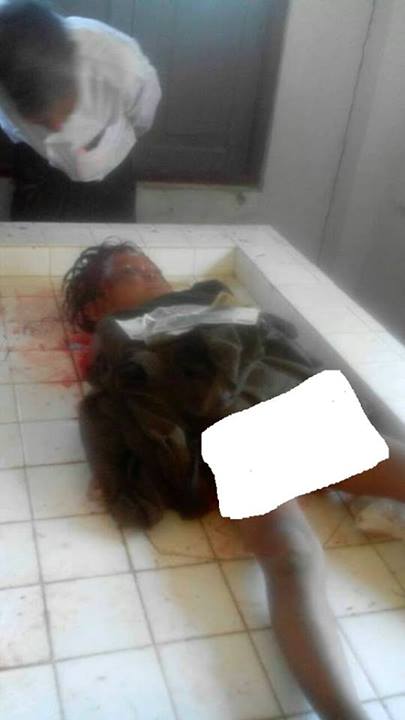
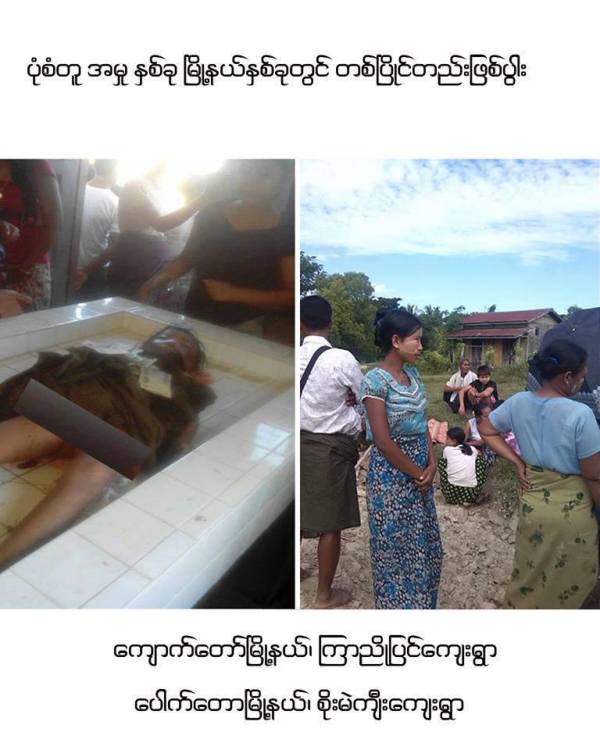
(Sittwe, 20 November 2013) : Two minor girls of Arakan State in western Burma were murdered in separate incidents that took place on November 17 & 18 last, informed police officials and community leaders.

The last incident, where a Rakhine minor girl named Mi Mi Nge (aged 6) was murdered by unknown assailants took place in Kyar Pru Byint village under Kyauk Taw Township on November 18, 2013.

The daughter of U Shwe Aung and Daw Moe Moe San, Mi Mi Ngay was missing since she went to a grocery shop located at the edge of her village along with her 10 year old sister in the evening. Her body was recovered next morning from a farm nearby to the village.

The local Arakanese Buddhists suspect that it was a handiwork of the miscreants belonged to Wranyar Muslim village located nearby the Kyar Pru Byint village. Of course, the police have not confirmed it and continued their investigations.

“We are still investigating the case and will not disclose much about it,” said a police officer based in Apauk Wa police station located nearby the Kyar Pru Byint village.

Earlier in a similar incident that took place in Pauk Taw township, a
five year old Khami national minor was murdered by the miscreants.

According to her relatives, the minor girl went on missing while she was playing with her friends at the full moon ceremony on November 17, 2013.

The daughter of U Shwe Mi and Daw War War Oo from Soe Mae Kyi village under Pauk Taw township is suspected to get killed in the same evening and her body was also recovered next morning.

The police started the investigation process after the body was sent for autopsy in Pauk Taw hospital.

Meanwhile, they face lot of queries from the local villagers as both the incidents took place within two days and sent a shock wave across the locality.
 
Narinjara News 

Read more...
Tuesday, November 19, 2013

Arakanese young girl aged( 6) was raped and brutally murdered by Bengali muslims at Kra Nyo Pyin village

4 comments
15-11-2013 A high-level delegation from the Organization of Islamic Cooperation (OIC) was greeted by an estimated 3,000 protestors Friday, when the group that includes foreign ministers from Islamic countries arrived in western Burma’s troubled Arakan State.
18-11-2013 An Arakanese young girl aged( 6) was rapped and brutally murdered by Bengali muslims at Kra Nyo Pyin village of Kyauk Taw township in Arakan State,Western Burma..
17-11-2013 An Arakanese young girl aged( 5) was brutally murdered
and keep underground . Peolpe found 18-11-2013 10:00 morning at Paut Taw – west phayoungka iland Soe Mea Kyi village .Bengali Muslims physically tortoured and gang-raped an arkanese minor girl at Rakhine State, western Myanmar.A six-year-old girl, namely Mi Mi Nge, daughter of U Shwe Aung and Daw Moe Moe San living in Kyar Nyo Village in Kyawtaw Township, was abducted by Bengali Muslims from Ywar Hnyar Village on Monday evening.When dawn broke, her body was found dumped at paddy field outside the village.She was found to be wounded on the head and injured on both cheeks.
It is reported that one of suspects has been arrested and is interrogating.
The dead body is under medico-legal examination at Apaukwa hospital

1450956_612977015425442_702831604_n 1458632_174703582728149_1117436387_n17-11-2013 An Arakanese young girl aged( 5) was brutally murdered and keep underground . Peolpe found 18-11-2013 10:00 morning at Paut Taw - west phayoungka iland Soe Mea Kyi village .
Read more...
Wednesday, October 26, 2011

Two RNDP MPs Gain Victory in Election Fraud Case

0 comments
Two RNDP elected representatives gained victory over charges of election fraud filed by USDP candidates when the Union Election Commission in Naypyidaw passed their verdict on Wednesday that they were not guilty of any wrongdoing in the election, said a party source.

Election-RNDP
"The Union Election Commission passed a verdict yesterday that two elected representatives, U Own Tin and U Kyaw Lwin, are not guilty, and the commission rejected the allegations of USDP candidates against them," said U Ba Shin, who is a representative of the people's parliament from the RNDP.

U Own Tin is an Amyotha Hluttaw representative from Kyaukpru Township for the Rakhine National Development Party, while U Kyaw Lwin is an Arakan State Hluttaw representative from the same township. Both were charged, along with seven other RNDP lawmakers on several counts, including slander of the government, that were leveled by USDP candidates after they lost the election.

�The Union Election Commission decided the cases fairly according to the truth. We appreciate the commission for their verdict,� U Ba Shin Said. �The accusations of the USDP candidates were found to be false, and the commission ordered the USDP candidates to pay one million kyat each in compensation to the RNDP representatives,� the representative said.

U Own Tin was charged by U Aung Tin Thein, a rival candidate from the USDP for Amyotha Hluttaw from Kyaukpru Townhip while U Kyaw Lwin was charged by U Than Aye, a rival candidate from the USDP for Arakan State parliament.

The two candidates from the USDP, U Aung Tin Thein and U Than Aye, asked to amend the election results in the union commission. All those amended facts were related to election fraud but were rejected by the tribunal of Union Election Commission.

U Own Tin and U Kyaw Lwin are the first RNDP representatives to face victory out of the nine facing charges by USDP candidates. The cases of the remaining seven representatives are under the trial and the cases will be decided by the tribunal of the election commission within this month.

The RNDP won 34 seats in Arakan State in the election that was held on 7 November, 2010. After the election, nine elected MPs were charged by USDP candidates with several allegations of fraud.
copy from Narinjara
Read more...
Tuesday, October 25, 2011

Arakan & Arakanese

0 comments
 What is Arakan: Rakhine, Rakhaing or Rakhaing-pray?
The land that is known as Arakan by the foreigners is called "Rakhaing-pray" by its own peoples, Rakhaing-thar (Arakanese). The Arakanese history records the early Arakanese to migrate in Arakan and settled down in their true land since time immemorial.
According to the Arakanese chronicles, the name Rakhaing (Rakhine) was originated from Pali word Rakhapura meaning the land of the people of Rakhasa (Rakhasa > Rakkha > Rakkhaing > Rakhaing) who were titled this name in honour of preservation on their national heritage and ethics or morality (Sila).
Arakanese History at a Glance
The independent and sovereign Buddhist Kingdom of Arakan had been splendidly flourishing from 3325 BC. till the Burman invaders occupied it in 1784 AD.
The Mahamuni Buddha Image (which was brought to Mandalay during the Burmese 1784 occupation), the utmost ancient and sacred Buddhist statue of World Buddhism, symbolised the heart and sovereignty of Arakan and its people, Arakanese. Thus, the country was called by "The Land of Great Image" in the foreigners' records. Besides that, millions of magnificent Buddhist pagodas, temples, statues and Buddha relics have been prevailing in the ancient capital cities of Arakan such as Dhanyawaddy, Vesali, Laemro and Mrauk-U.
The well-known traditional Saying in both Arakan and Burma "thazon pan-khaing ta-mraing-mraing Rakhaing phara paung" indicates that total number of Buddhist pagodas in Rakhine-pray (Arakan) is up to more than six millions (6,352,755).Religious harmony in the independent-sovereign Arakan Kingdom was remarkable. Annual contributions of the Arakanese Kings to all religious are acknowledged their respect to secularism though they all are authentic Buddhists.
Even though Arakan had reached zenith of power in the Bay when it was under the rule of the skilled and powerful kings, the country's glory and fame has steadily declined when it was succeeded and ruled by the unqualified kings. Chittagong, a part of Arakan was invaded and occupied by the Moghal in 1666 AD. And internal instability and dethroning of kings happened very often in Arakan Court. Taking opportunity in the overall weakness inside the country, the Burmese King U Wine violated the good-friendly neighbour's ethics and dispatched his invading forces into Arakan in mid-November, 1784 and occupied it by the end of 1784.
 The national independence of Arakan and sovereignty of the Arakan Kingdom were lost on 31 December 1784 (7 waxing day of Pratho 1146 AE.) when it was invaded and subjugated by the Burman King Maung Wyne. The people of Arakan became enslaved. The national flag hoisted in honour of the nation on the top of the Royal Assembly Hall was dropped. The dignity, the honour and the prestige of the Rakhine as a FREE NATION had terminated immediately after loss of independence.

Arakan: A Promised Land
Arakan, a land which cherishes Buddha's principles of moral code, tranquility, love, compassion and wisdom, has patronized Buddhism for more than two millenniums, was the seat of an ancient sovereign country and religion, the nursery of art, and the center of the Buddhist stronghold. Myriad ancient pagodas and vast ruins of priceless archaeological treasure scattered all over the country are glorious symbols of past and are the present great recollections of the people of Arakan. Many are still buried and under the earthed. The large number of statues and pagodas gives one of an example of Buddhist art, but also makes it one of the richest repositories of sculpture in Arakan. Buddhism has been the national religion of Arakan and the epic center for the transmission of faith to Southeast Asia. The insightful influence of the Buddhism has been compelling testimony that can be seen in Arakan from the hill sides dotted with the pagodas, the symbols of yellow robe, the religious order of monks, and monasteries in almost every village shaping the character of the village people and their institutions. Since the region has been isolated from the rest of world for centuries and has remained and preserved unique customs and traditions in addition to Arakan’s own history, and religion which had existed since the dawn of civilization.

In the past Arakan was known as Thuwannapura, Ramathuwannapura, Ayujjhapura, Rakkhapura, Dynyawaddy, Mahawihika and Mahinthakamandala. According to tradition Indo-Aryan people reached Arakan from India Gangha delta and settled in Kaladan Valley at the very early time. Before migrating to Arakan, those Indo-Aryan are thought to have mixed and intermarried with a migrant Mongoloid tribe in eastern India and Arakan. An eminent Arakanese archaeologist, U San Shwe Bu, pointed out that the Indo-Aryan came to Arakan from Majjhimadesa who were living on the bank of river Ganges. Moreover, ancient Arakanese belonged to Magadha region as their ancestral places who later settled in Arakan region and consequently found their first capital city at Dynyawaddy. The Dynyawaddy was classified in three different ages known as the first Dynyawaddy (3325- 1483B.C.), found by Marayu, the second Dynyawaddy (1483-580 B.C.) by King Kanrazagree; the third Dynyawaddy (580-B.C. to 326 A.D.) was found by King Canda Suriya. The second period in history of Arakan was Vesali Kyauk-HleGarr (327-818) found by Dven Candra, and the history recorded the highest civilization in the Bay of Bengal had thrived with the international trade and commerce. Gold and silver coins of five denominations were used.


Located east of Vanga and Smatata of ancient India of which great religion, culture and politics had enormous influenced on the Arakanese people since immemorial. The historians believed that the Mongoloid race in Arakan was mostly inter-related with Indo-Ariyans, who came over and probably ruled the native population, gradually impressing on their culture and religion. Arakanese chronicles said that the name of Rakhine was originated from Pali word Rakkhapura meaning the land of Rakasha, Rakhasa, Rakkha, Rakkhaing, who are titled this name in honor of preservation on their national inheritance and moral values.

True to this stanza, as illustrated in the Buddhawan-an ancient Arakanese script, the Arakanese (Rakhines) heroically lived in their ancient homeland of Arakan state devoting to safeguard the two essential qualities, namely nationality (Amyo) and morality (Sila). Above classical verse illuminated how the true nature of the Arakanese way of life and their highest expectation is to achieve the ultimate goal of Nirvana. The Buddhist ecumenical outlook and way of life seems to have enough scope for adjustment and subsequence change of indigenous believes and practices, so that religion became swiftly acknowledged by the local inhabitants but was able in the process to bring about harmonious development in social values and traditions in the nation as a whole.

The remoulding of Arakanese Buddhism took place in the social background of Arakan's unfolding society which played a determined role in giving shape to the characteristic features of Arakanese society. Buddhism has long been an important part of the cultural heritage of Arakan, and it flourished in Arakan receiving royal patronage. It has not been a mere system of believes to Arakanese; it encompasses the entirety of our culture and civilization and national character the very essence of our lives. Of all the bonds, which defined Arakanese as the people as a nation, religion was undoubtedly strongest. Arakanese national identity becomes indistinguishable from its religion. It is undeniable fact to say that everyday life of an Arakanese from the cradle to grave, together with his art and craft and literature and culture, and arts other element of his life, are all based upon and moulded by the one common factor, the spirit of Buddhism.

The advent of Buddhism in the 6th century B.C. was an epoch-making event not only in the history of Indo-Arakan sub-continent, but also it was in the history of the world. We know very little about pre-Buddhist India. The historical materials on the basis of which ancient history has been written are scanty. The true historical knowledge, which we gather, is from the time of the Buddha. The most authentic sources of ancient history are the inscription, copperplates, coins, traveler's reports, historical accounts, and religious texts from various religions. Out of them, the inscriptions, coins, and copperplates are associated with the epigraphic records of ancient time. The Greek Ambassadors and Chinese travelers have left valuable accounts relating to Indian sub-continent.

Arakanese claimed to be the first state in Asia to have received Buddhism from India. In fact, Arakan’s historical traditions are inseparably interlined with Buddhism from India. It is known that the early Buddhists of India had a strong inclination to carry their religion, and with it their civilization into the Arakan region which lay immediate frontiers. There can be not doubt either those Buddhist adventures, traders and missionaries managed to reach the Arakan region at very early period even before the advent of Christian era. These adventures, missionaries, and their followers brought with them the arts of civilization which were laid the foundations of political and cultural history of Arakan.

Most of the Arakanese chronicle sources unanimously state that Buddhism, which had existed during the reign of Sanda Suriya, who dedicated the illustrious Maha Muni Image in B.C. 554, has become the prime faith the phenomenon now called Buddhism in Arakan which began its gentle progress to farthest reached of the globe. Ancient Arakanese legendary gives detail accounts of King Sanda Suriya who endowed the great shrine Maha Muni on the occasion of Lord Buddha landing to Arakan in 123 Bowdaw Inzana Era, 25 years before Buddha's Mahaparinibbana. The Buddha visited to Arakan expressly to enable King Sanda Suriya to build a life-size image of himself and Buddha blessed on alighted on the top of Thelagiri Hill situated the east of Kyawtaw on the bank of Kaladan. The Buddha had parted His Holiness teeth emitted rays of light that shone forth with a dazzling vividness in all directions, and to the reverend Ananda, his beloved cousin. He blessed the wishful remarks: "Danyawaddy is great and splendid country which shall have ninety-nine towns on its eastern bank of the Gacchapanadi and ninety-nine towns on its western bank. Its kings shall continue to be the ancient Kshatriya stock and particularly our Sakya race has been descended from Ajjuna Hermit-King of Kapilavastu. As a Bodhisattva, I was reborn many a times here; I shall have in this noble country; my own image built that shall enclose in this land for 5000 years during the life of my Sasana or Buddhism". Arakanese were justly claimed to be the first in Asia outside India to have heard the word of the Buddha that was too from his His Holiness lips. When the image was finished, it was established in Thiriguta Hill amidst universal rejoicing when gods and men could mingle freely to worship the great image of Maha Muni.

How deeply intertwined the image of Maha Muni was in the heart of Arakanese might be gathered from the following classical passage in poem Arakanese Princess Egyin written by Badu Mong Nyo in 15th century.
(Stanza-9)
Truly peculiar and noble indeed,
That banner of king of king,
Sadden elephant of snow-white variety
Possessed while ruling Dynyawady,
Golden Land, country complete with prosperity.
The reign of Sanda Thuriya, generous monarch,
Coincided with the life of the Buddha.
Invited Him to Dynyawady with all his heart.
Due to his request in earnest,
Lord mercifully let him cast
Maha Muni Image, now we have.
Visukamma and Sikra Deva came to help.
Alloy of five noble metals was used by them
But they could not accomplished by then
Only after the Buddha offered
Seven Handfuls of His bodily warmth to the sculpture,
Beloved Brother, His Holiness comes to life,
As His representative exact, the image he left;
Man, Deva and Brahma have a chance
To worship Him in great respect.
Great image was held in reverence.
(Rahine Roma Magazine)
Later Maha Muni, the great image of worship became symbols of an independent Arakan, has retained its deep spiritual vibration inspired countless beings to contemplate upon righteous way of life, higher principles to live for and noble ideas to aspire after, and the shrine itself has been the most focus of attention for millions of pilgrims throughout centuries. Its history supplemented by geographical, archaeological, and literacy sources of Arakan as well as travelers accounts had enlightened us, it is true.

Information regarding early introduction of Buddhism in Arakan is from two sources; first from the archaeological discoveries and the second from the records of Arakanese literature. From archaeological evidence, we find a number of symbols that are of religious significance, special to Buddhism. Perhaps most importantly, there have been discovered several image stone figures. An ancient stone inscription in Nagari character was discovered by renowned Archaeologist Dr. Forchhammer. Known as Salagiri, this hill was where the great teacher came to Arakan some two thousand five hundred years ago. Somewhere from eastern part of this hill, a stone image in Dhamma-cakra-mudra now kept in Mrauk-U museum, was found earlier in 1923. This relief sculpture found on the Salagiri Hill represents Buddha preaching King Canda Suriya belongs to 4th century A.D.; five more red sandstone slabs with the carving were found close by the south of this Salagiri Hill in 1986. They are the same type as the single slab found earlier in 1923. These carving slabs of Bhumispara-mudra, Kararuna-mudra, Dhammacakra-mudara, and Mmahaparinibbana-mudra represent the life of Buddha.

These sculptures provide earliest evident about the advent of Buddhism into Arakan; during the life time of the Buddha and these discoveries were therefore assumed as the figures of King Canda Suriya of Dyanawady, who dedicated the Great Maha Muni Image. These archaeological findings have been studied by eminent scholars and conclusion is that the Maha Muni was made during the king Sanda Suriya era. But some historians and scholars viewed the creation date of Maha Muni shrine still remains a mystery and the lack of comprehensive data, and this subject remains controversy till date.

The oldest artifact, stone image of Fat Monk inscribed "Saccakaparibajaka Jina" in Brahmi inscription comes to the date of first century A.D.; the stone inscriptions are of Sanskrit, Pali, Rakhine, Pru and Arabic languages. The cubic stone inscriptions record the peace making between the governor of Thandaway Mong Khari (1433-1459) and Razadhiraj the Mon Emperor in Arakanese inscription. This was found from a garrison hill at the oldest site of Parein. A stone slab with the alleged figure of the Buddha preaching, King Canda Suriya bored testimony to the Salagiri tradition, depicting of the advent of the Teacher to Dyanyawaddy.

Since after receiving Buddhism and uninterrupted Buddhist tradition has been in the main fabric of the Arakan society which was influenced by Indian Buddhist tradition and culture as evident from important Arakanese historical sources and archaeological findings in the region. Monumental edifices, inscriptions, pagodas and images of the Buddha discovered in Arakan are compelling evident-witness to the prosperity of kingdom. Located in various ancient royal sites, the edicts and inscriptions of each king -clear indication of personality and heritage along with the pious activities-he had performed in support of the Buddhist religion during his reign. Even today mouldering ruin of ancient statue and pagoda in almost parts of Arakan are surviving example of what was once architectural genre. The principal pagodas and monasteries once a lofty and richly decorated structures, still stand and pitifully through. Others stupas, monasteries, pillared halls, shines, railing, and original established parts all over the country have been ruined to the ground level. A number of archaeological treasures have been stolen and many have been broken into the pieces. Many have savagely ruined by man and nature. Some are left out as a witness to the original grandeur of the Chaitya.

Anandacandra Inscriptions date back to 729 A.D. originally from Vesali now preserved at Shitethaung indicates adequate evidence for the earliest foundation of Buddhism. Dr. E. H. Johnston's analysis reveals a list of kings which he considered reliable beginning from Candra dynasty. The western face inscription has 72 lines of text recorded in 51 verses describing the Anandacandra's ancestral rulers. Each face recorded the name and ruling period of each king who were believed to have ruled over the land before Anandacandra. Archaeology has shown that the establishment of so many stone pagodas and inscriptions which have been totally neglected for centuries in different part of Arakan speak of popular favored by Buddhism.
The crowing event in the history of Arakan was the Convention of the Buddhist Council at the top of golden hill of Vesali under the royal patronage of King Dhammawizaya in 638 AD. through joint effort of two countries, Arakan and Ceylon. This momentous triumph of the great council was participated by one thousand monks from Ceylon and one thousand monks from Arakan kingdom. As a fitting celebration of the occasion, the lavish construction of pagodas, statues and monasteries were undertaken for the purpose of inscribing the Tripitaka. After Vesali, Pyinsa was found by Lemro dynasty in 818 A.D; the great king of dynasty (AD. 818 -1430) was King Mim-Yin-Phru, who turned his attention towards the development of Buddhism, and in 847 A.D. he conveyed the second Buddhist council in Arakan attended by 800 Arahants. Arakanese chronicles report that therein the Tripitaka and Atthakatha were incribed on the golden plate and enshrined. Never has there been impediment in the practice of Theravada Buddhist faith since it has introduced in Arakan. The copious findings of inscription Ye Dhamma verse were practical evidence that Theravada was dominant faith if epigraphic and archaeological sources were to be believed. The Royal patronage has always been significant factor contribution to stability and progress of the religion in Arakan.
Mrauk-U, the last kingdom of independent Arakan founded by King Mong Saw Mon in 1430, has become the principle seat of Buddhism, has reaching at zenith of the golden age. Mrauk-U was divided into three periods: the earliest period (1430-1530), the middle period (1531-1638), and the last period (1638-1784). In Arakan antiquities at the Mrauk-U seems to give rational evidence as to where Buddhism was settled down. These include stone inscriptions, Buddha images, the Buddha's foot-prints and the great pagoda itself which, stripped its later-constructed top, would be of the same design as the Gupta style of ancient India.

Now how far these accounts are credible for the modern scholars? Arakan is the only state in Southeast Asia to be geographically connected to India by both land and sea route which is considered as the transition center of spreading Buddhism to Southeast Asia. There can be no denying factor that Buddhism has been great cultural forces in Arakan and rallying point for Buddhists over the world. Ancient Indian historians concluded that eastern regions of India were always regarded culturally and strategically as part of India, and the rest of the territory remained Indian in culture and predominantly within geopolitical orbit of India. The famed Chinese traveler Hiuen Tsan recorded in his travel account that one of Chinese monks; a priest of King-Chau (in Hupeh) of China went to India by southern sea-route and arrived at A-Li-Ki-Lo known as Arakan. A-Li-Ki-Lo (Arakan) was the eastern limit of India. It was part of Jambudipa. Bing ancient geographical part of Jambudipa, Arakan exists as a contiguous land with India, and thus Indian civilization has spread over Arakan since the very beginning of Arakan history. This geographical proximity and Arakanese literature records are more historical realistic and considered that Buddhism had spread to Rakkhapura before Asoka period of India.

It has become customary with modern scholars to play a double role. On one hand, they use Arakanese sources for their research material. On other hands, they neglect the significance of the narratives in Arakanese sources. Whatever historical enlightenment modern scholars could get from the Arakanese sources, they avail of it while they cast aside whatever they do not find their own liking, branding it as neither “nationalism”, “mysticism” or “mistake”. This seems to be unfair and misinterpretation to the spirit of Arakanese authority and the value of their national treasure.

By dismissing the long-settled Arakanese theories on such an important subject of Buddhism which has arrived to this region formerly part of Jambudipa earlier before commencement of Christian era, in fact Sappadanapakarana-a palm leaf manuscript found by Dr. Forchmer gives interesting accounts that the Buddha with 500 Arahans came to Dynyawaddy by aerial journey. The earliest known artifacts discovered were a Fat Monk dating back to first century A.D. and other Buddha images preaching to King Canda Suriya, and the earliest important inscription found at Taung-paukgree village are good sources to be believed that Buddhism had existed in Arakan during reign of Canda Suriya. On the other hands, vast collection of less known Arakanese literatures are great volume to be examined if literature sources are to be believed, and archeological unearthed are the foremost symbol of earliest Indian Buddhist civilization link to this region, as geographical proximity between India and Arakan is still unquestionable. But some outside observers do not seem to accept these indications of Arakan preserved. According to Arakanese chronicle sources, Buddhism have been arrived to Arakan first by visiting Buddha himself with five hundred Arahants in 554 B.C. and subsequently by arriving missionaries sent by Asoka in third century B.C; it is not that easy, as it might seem to the modern scholars who are working in consultation with Arakanese sources. If they find the materials inconceivable, and then either they should not go after it, or they should refute it in clear terms, and that is they do should do. Their position therefore is far from satisfactory. Their attitude has the shortcoming of the outsider’s approach. They have not been able to show any grasp of the Arakan way of opinion and currently have only managed to come with sarcasms.

To give an example, when an Arakanese historian simply says that the Maha Muni Image was made during the life time of the Buddha, he is regarded as an authority; but when he enters into details with traditional background and with its original literature source, he is said making mistake. What is that? Should one say so, without having looked deeper into the significance of scholar’s statement that might have been made on logical and historical grounds? In fact, statements occurring in older classics cannot be interpreted in a straightforward manner--we live in a world different from that of theirs and that has intervened a shift of linguistic and idiomatic convention, followed by revolutionary changes in the concept of science and technology. What one should do in respect of philosophical classics is to adopt an objective and unbiased attitude. It may quite well be the fact that the complex statements which were once reasonable and intelligent. Before we come to say that they are “discreditable”, we should first consider the possibility that the statement could be interpreted to have some forgotten sociological implication. We should have the tolerance to wait till the so-called incomprehensible statements are finally settled by endeavoring and persevering scholars. Such an honest attempt by the scholars concerned is badly needed today, especially for Arakan history research.

A scholar, desirous of knowing the history and culture of ancient Arakan, can in no way discount an enormous treasure of Arakanese literatures. They have been partially laid down contribution of a large volume of worthy still lies buried to be translated into other languages, which the scholars have not yet explored. A careful study of them will be a valuable contribution not only in the sphere of influence of Buddhist literature, but also on Indian history, civilization, and culture of India and Arakan. Arakan, thus, proves to be in some respects as important an apparatus for the study of certain periods of Indian civilization as language of that subcontinent. At the same time, the process of the contribution of Buddhism and assimilation of Indian culture in Arakan proves us with extraordinary interesting and historical valuable example should prove another culture and religion without totally forsaking its own deeply rooted tradition. Scholarly venture upon various aspects of Arakan is, therefore, desirability. This pious task may very well be shouldered by the scholars.

In the circumstantially, the Arakanese are left with no other means than either to surrender to the impositions of the modern scholars as mentioned above, or to refute their views by appealing to logic and history and to start to do scientific research maintaining the culture, literature and spiritual heritage which is based on the teaching of the Buddha and pristine legacy of Arakan. Nothing greater can be said to credit the Arakanes' appeal of the teaching of Buddha and their commitment to safeguard to their ancestral land and the pristine faith of Buddhism.

After introduction of Buddhism to Arakan, history records, how it has been preserved by the Arakanese with the patronage of rulers, as the greatest national treasure to be protected, interpreted, followed, and propagated. Even through during the colonial periods, the protection of this has continued to be the main policy of Buddhist Arakan, which has taken a leading role in nationalist movements for their freedom. Downfall of Arakan independence suffered a great lost of Arakanese Buddhism at hands of vandals, and it was an undeniable truth of history: the victors destroyed symbols of ancient civilization in Arakan to stamp their future on conquests. Since 1785 onwards the painful legacy of colonial rule has brought Arakanese to untold miseries and thousands of Arakan's historical statues and precious artifacts that have lost forever. Among them, the lost of Maha Muni was the greatest sorrowful to the Arakanese than the lost of their independence, as the Arakanese themselves resolutely regarded that their devoted life and the Maha Muni were inseparable by any mean. The victors may take the Maha Muni as booty in the name of conquest but they can never break the spirit of Arakanese to demand nothing less than---it is immortal legacy of Arakan given by the Buddha---it is traditionally unquestionable. The belief in and sentimental attachment of Buddhism and unshakable adoration to Maha Muni could not be erased from their mind and replaced by one another.

Even today, the very holy name of Maha Muni always lives as legacy in the hearts of Arakanese although it has taken away from its birth place of Dynyawady to Burma, which is now enshrined in Mandalay, and it is considered as the oldest sole surviving legacy and is one of the most important sacred images in the Buddhist history of Southeast Asia. Being landmark historical testimony towards the presence of the greatest of mankind has ever witnessed the fame of Maha Muni as the heart of prime faith inspired countless people throughout its history and given the most enduring legacy of pride to the Arakanese in Buddhist world. Indeed, nation as whole owes much to the religion and Arakanese wholeheartedly acknowledging their indebtness to Buddha's teaching. It is therefore not surprising that the Arakanes are always obliged to be cherished and to be proud of belonging to THE LAND OF THE MAHA MUNI, whose legacy is universal truth.


Thezin pan khaing ta mraing mraing
Rakhine phara paung.
The Thazin's sprigs in cheer clusters
Sum the total of Rakhine phara grandeur.
(U Tha Hla, The Rakhaing Vol. (I) No. (7)
Not only Arakan is rich in natural resources, but it is also rich in the establishment of the Buddhist monasteries, pagodas which play a very creative role to development of Arakanese culture and civilization. Arakan offers some of the richest archaeological sites in the Southeast Asia. A number of Buddhist landmarks erected by the Arakanese are still be found intact or the archaeological ruins under the earth. In the city of golden Mrauk-U there are scattering innumerable temples and pagodas which preserved as places, thereby exerting a great influence on spiritual life of the people.

Arakanese chronicle records that more than six million shrines and pagodas flourished in Mrauk-U. In fact, they formed the pride of golden Mrauk-U. Dr. Forchhammer described in his Arakan, "in durability, architectural skill, and ornamentation the Mrauk-U temples far surpass those on the banks of Arrawaddy". Buddhist arts both in the field of architecture and Buddha-image constructions are on the same line of flourishing. An illustrative example of this fact can be seen in the temple of Chitthaung pagoda and colossal Dukekanthein temple. Hence Arakan with its rich legacy has been able to achieve a great success in enriching and disseminating their culture and civilization. Even at the present, these cultural heritage lives sources are precious legacies of sacred symbols of Buddhism since the Arakanese are conscious of the contributions of their country towards the growth and development of their culture, literature and spiritual heritage, they are anxious to see their ancestral land once more restored to its pristine glory.

These truths to be the self- evident, Arakanese adopts religion in their totality and ever since has been giving them as a consummate taste of spiritual life. Buddhism is the religion of the mainstream of the people of Arakan, and it is pervading force in Arakanese society. The propound influence of religion can be seen in Arakanese life-style, mannerism, tradition, character, art, architecture, language, and all other aspects of the Arakanese culture. Religion has become to integrate in providing basis unity of Arakanese people that unfold itself as a creative force that inspires them to higher goals of achievement. How Arakanese had decisively upheld Buddhism and how they were impressed by Buddha's teaching that is to the Arakanese Buddhism means their entire life, and fulfillment---holding near and dear to them---while Arakan to be very truly is the Land of the Great Image, deserving its blessed legacy of Buddha.
Read more...

Forgotten Patriot “Ashin U Ottama”

0 comments
U_ottama
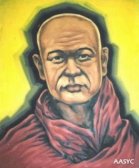
On 28th December,1879, Ashin U Ottama was born at Rupa Quarter, Sittwe, Rakihne State. His parents are Mr.Mra and Mrs.Aung Krwa Pru. He joined the monastic order as a novice under the tutelage of abbot of Shwe Zedi Monastry in sittwe. His childhood name is Paul Tun Aung and U Ottama was his religious name.
As a Buddhist monk, he traveled to India, France, Japan, Korea, Manchuria and China. In Japan, he served as the professor of Buddhism in the university teaching Pali and Sanskrit Languages. He authored and editiored editorials and articles in “Thuriya” daily portraying nationalism. He wrote “Craddock, Get Out”, Craddock being the then governor of Burma(Myanmar) that was colonized by British.
Due to political speeches against British colonialism, he was imprisoned many times by British authorities. But he continued delivering speeches against British colonialism at the front of Burma Independence movement from 1911 to 1936. Moreover, he accelerated the Burma people’s patriotism. Suffering hardships and difficulties in the struggle for Independence, the patriot Buddhist monk passed away at the age of sixty in 1939.
At one time, the Kandawmin Park in the southern part of the Shwedagon Pagoda was named U Ottama park honoring the contributions of Ashin U Ottama .In his native town, sittwe, the park with the bronze statue of Ashin U Ottama as a memorial monument honors the contributions and achievement of the Saradaw (more formal than monk) for his unrelenting fight against British imperialism.
Unfortunately, the U Ottama Park in the southern part of Shwedagon Pagoda was renamed by the military regime after seizing power. People could not pay homage to the statue of Ashin U Ottama in the U Ottama Park in sittwe. The ruling junta are making the people forget about the contributions and gratitude of the patriot monk for the Myanmar Independence.
Read more...
 
ETHNICS VOICE © 2011 ETHNICE VOICE OF MYANMAR & Main Blogger. Supported by ETHNICE VOICE OF MYANMAR

WELCOME TO YOU FROM OUR BLOGSPOT